
Quick answer: Waterless cookware is heavy, multi-ply stainless steel cookware with a tight-fitting lid that traps steam from the food itself, so vegetables and meats cook in their own moisture with little or no added water. The lid forms a “vapor seal” that keeps steam circulating at low heat. It suits vegetables, braises, and chicken — but the big health claims are mostly manufacturer marketing.
If you have watched a 360 Cookware, Saladmaster, or Health Craft demonstration, you have seen the pitch: a pot full of vegetables, no water added, and a lid that spins freely once the seal forms. This guide explains what it is, how it works, what it costs, and where the nutrient claims hold up. We compared specs and prices; we did not test these sets ourselves.
Photo: Organic butternut, beetroot and sweet potato cooking a stainless steel pot Cape Town 2019 by Stiac H, CC0 1.0 via Wikimedia Commons.
What is waterless cookware, and how does the vapor seal work?
Waterless cookware is a technique supported by a specific kind of pan: thick, multi-ply stainless steel with a lid machined to fit the rim so closely that steam cannot easily escape. Most foods already hold a lot of water. Heated in a covered pot, that moisture turns to steam, the tight lid traps it, and it condenses and falls back into the food.
The “vapor seal” is what makes the loop work. Health Craft, one of the long-running waterless brands, explains it plainly: as the air inside heats and expands, it pushes excess air and moisture out through the vent and rim. Once the vent is closed, the lid forms a vapor seal that traps steam and heat inside, and the lid is drawn down into a gentle partial vacuum. Food then cooks below the boiling point. Read the full explanation on Health Craft’s vapor seal guide.
360 Cookware uses a simple spin test: when vapor escapes from under the lid, spin it gently — if it spins freely, the seal has formed and you turn the heat down.
How do you cook the waterless way?
The method is nearly the same across brands:
- Pick the right size pan. The pan should be at least two-thirds full of food. A half-empty pan holds too much air for a seal to form.
- Rinse the food and drain it. For vegetables, rinse them and put them in the pan wet — the moisture clinging to the pieces is usually all the water you need.
- Preheat only for meat. Warm the pan on medium and flick in a few drops of water — it is ready when they bead and dance. For vegetables, start with a room-temperature pan.
- Put the lid on and heat on medium. Within 3 to 5 minutes, steam will start to escape from the vent or from under the lid.
- Close the vent, spin the lid, and turn the heat to low. Once steam appears, reduce the heat to low and close the vent.
- Leave the lid alone until the food is done. Each time you lift the lid, heat and moisture escape and the seal has to form again. If the food is not done, add 1 to 2 tablespoons of water and repeat the seal. The full method is on 360 Cookware’s how-to page.
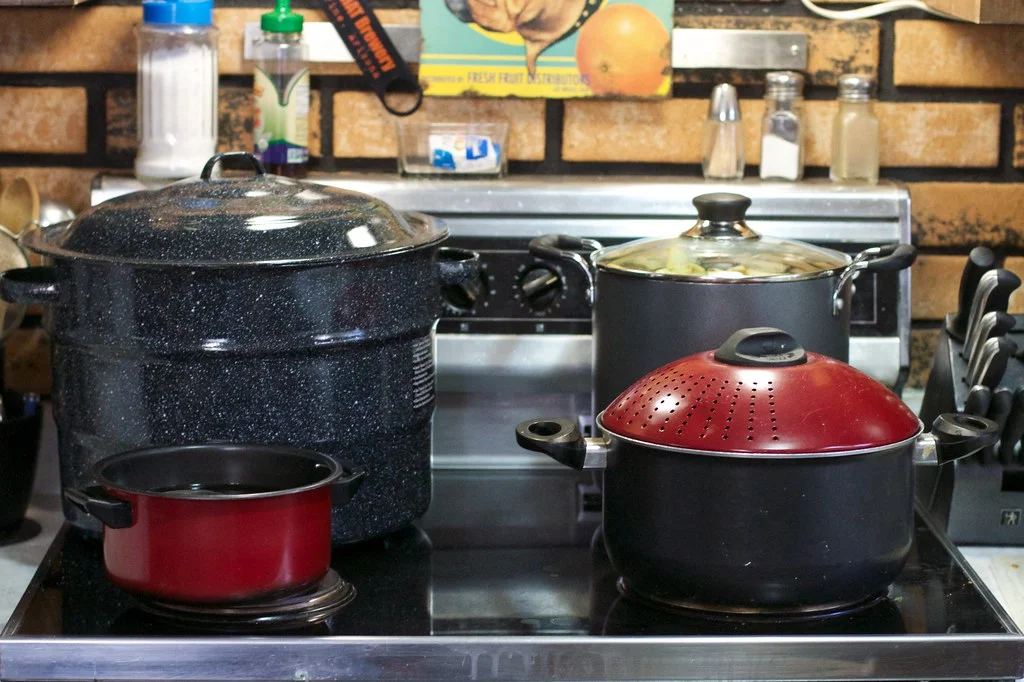
Photo: 2013/365/251 All Burners Going for Apple Sauce by cogdogblog, CC BY 2.0 via Openverse.
What is waterless cookware made of?
At its core, waterless cookware is high-quality multi-ply stainless steel: stainless steel with an aluminum or copper core sandwiched inside for even heat. The lids are the special part — heavy, often domed, and machined to sit precisely on the rim. Stainless steel suits this job well, and it ranks among the safest cookware materials because it has no coating to wear out.
The best-known brands come from the same corner of American manufacturing. 360 Cookware, made by Regal Ware in West Bend, Wisconsin, is tri-ply with an aluminum core, 0.110 inch thick, a T-316 stainless interior, and oven safe to 500°F. Saladmaster uses 316Ti stainless steel in a 5- to 7-ply build with its Vapo-Valve lid, oven safe to 600°F.
The selling model matters as much as the steel. 360 Cookware sells direct to consumers online. Saladmaster, Health Craft, and Kitchen Craft sell through in-home demonstrations, so you watch a dealer cook before you learn the price — full sets typically run into the thousands. Start with a single piece instead: 360’s 3.5-quart sauté pan with cover is $219.95 on the company’s own site, the 6-piece starter set is $649.95, and the 9-piece Home Chef set is $999.95, all as of September 30, 2026. The sauté pan is heavy — about 7 pounds — so use the helper handle. If you cook on gas, our guide to the best non-toxic cookware for a gas stove covers cheaper stainless options.
What foods suit waterless cooking — and what does not?
Waterless cooking shines with foods that bring their own moisture. Broccoli, carrots, green beans, potatoes, and sweet potatoes cook evenly in their own steam. Chicken, fish, and braises also work well, since the sealed lid bastes the food in its own juices.
It does not suit everything. Pasta and beans need a pot of boiling water, because they have no moisture of their own to give up. Anything that needs a hard sear or a crisp crust — a steak, fried eggs, roasted potatoes — still needs a hot, uncovered pan.
Do the nutrient claims hold up?
Read the fine print here. Saladmaster’s marketing says its low-moisture method preserves up to 93 percent of nutrients, and Health Craft makes similar claims. Those percentages are manufacturer claims, not independent study results.
What independent research supports is narrower — and still useful. A 2013 study in Nutrition & Food Science cooked broccoli, spinach, and lettuce for 5 minutes three ways: steaming, microwaving, and boiling. Steaming lost 8.6 to 14.3 percent of vitamin C; boiling lost 40.4 to 54.6 percent. Vitamin C dissolves in water, so the more water the food sits in, the more ends up down the drain. Read the study abstract in the Zeng 2013 vitamin C study.
Waterless cooking is, in practice, covered steaming with even less water than a steamer basket uses. So the benefit is real but modest: less water means less leaching of water-soluble vitamins. It does not mean the food keeps 93 percent of every nutrient — 360 Cookware’s own pages make no numbers claim about nutrients at all.
What not to do
Most failures come from a few habits. Do not use high heat: the method runs on medium, then low, and high heat drives moisture out faster than it can condense, which breaks the seal and scorches the food. Do not use a mostly empty pan — the seal needs a nearly full pan. Do not lift the lid to check every few minutes; each peek dumps the trapped steam and restarts the process. Do not skip the preheat for meat: cold meat in a cold stainless pan sticks.
Do not buy a full set before you know you like the method — one lidded sauté pan teaches you the technique. Anodized aluminum is the other common uncoated option; see is hard-anodized cookware safe before you compare the two.
When should you replace waterless cookware?
Good stainless steel does not wear out on a schedule. The pans can last decades, so replacement is about the seal, not the steel. Replace a pan when the lid no longer sits flat, the rim is dented, or the base rocks on a flat burner. Any of those breaks the vapor seal, and without the seal you just own an expensive stainless pan.
Check the handles too: rivets loosen over time, and a wobbly handle on a 7-pound pan is a safety problem. If the spin test stops working, the seal is gone — replace the lid or the pan.
Frequently asked questions
Is waterless cookware really waterless?
Mostly, but not entirely. Vegetables cook in the moisture clinging to them after rinsing, and you may add 1 to 2 tablespoons of water if the food is dry or the seal fails. Pasta, beans, and rice still need added water — the name means cooking without a pot of water, not with zero water.
Can you use waterless cookware on induction?
Yes. The major waterless brands use magnetic stainless steel on the outside layer, so their pans work on induction, gas, and electric cooktops. 360 Cookware confirms its cookware works on induction and is oven safe to 500°F.
Is waterless cookware worth the money?
It depends on how you cook. If you cook vegetables, braises, and chicken with the lid on most nights and want heavy American-made stainless steel with a lifetime warranty, a single piece is a reasonable buy. If you mostly sear and fry, a steamer basket gives you nearly the same result for a few dollars.
Does waterless cooking really preserve more nutrients?
It preserves more water-soluble vitamins than boiling, because fewer leach into cooking water — a 2013 study found steaming lost 9 to 14 percent of vitamin C versus 40 to 55 percent for boiling. But the brands’ headline percentages, such as “up to 93 percent,” are manufacturer claims without independent trials behind them, so treat them as marketing, not measured fact.