
Quick answer: The most useful kitchen gadgets solve a real problem every week: an instant-read thermometer for safe meat, a kitchen scale for consistent baking, a zester for flavor, a bench scraper for dough and cleanup, and a silicone spatula for stirring and scraping. Each costs about $14–$65.
Most kitchen drawers hold a few tools that earn their keep and a lot that never do. This guide covers the five gadgets that do real work, based on specs, prices, and verified owner reviews. We compared the options; we did not test them in our own kitchen for this article.
This post contains affiliate links. If you buy through them, we may earn a commission at no extra cost to you.
As an Amazon Associate I earn from qualifying purchases.
Photo: Person cooks in a cozy wooden kitchen with various utensils and cookware during the day in a rural setting by Shixart1985, CC BY 4.0 via Wikimedia Commons.
What makes a kitchen gadget actually useful?
A useful gadget passes three checks: it solves a weekly problem, it does something your hands or knife cannot do as well, and it lasts long enough to pay for itself.
A thermometer passes all three: guessing doneness ruins meat and risks food poisoning. A scale passes too, because one cup of flour can vary by 20 grams or more depending on how you scoop. The zester, bench scraper, and spatula pass for the same reason — each does a small job better than any substitute.
The opposite is also true: a gadget that does one narrow job, needs its own storage, and breaks in a year is not useful, however clever it looks in a video. The five picks below cost about $120 combined.
Which useful kitchen gadgets are worth buying?
The five gadgets below are grouped by the job they do. Each entry names a specific product, its price, and its downside.
1. An instant-read thermometer for safe, well-cooked meat
The ThermoPro TP19H Digital Meat Thermometer reads in 3–4 seconds with an accuracy of ±0.9°F, according to the manufacturer’s manual. Its 4.3-inch probe reaches the center of a thick steak, the display rotates for left- and right-handed cooks, and the IP65 rating means you can rinse it under the tap.
FoodSafety.gov lists 165°F for all poultry, 160°F for ground meat, and 145°F with a 3-minute rest for steaks, roasts, and chops. A thermometer turns those numbers from guesses into facts. See the full safe minimum internal temperature chart for the complete list.
It costs about $14 as of November 2026. The downside: the plastic body should never go in the oven or sit on a hot surface. The brand now sells as TempPro on Amazon — same thermometer, new name.
2. A kitchen scale for baking that comes out the same every time
The OXO Good Grips 11-Pound Stainless Steel Food Scale with Pull-Out Display solves the one problem every kitchen scale has: a big bowl hides the display. OXO’s display pulls out about 4 inches, so the readout stays visible. It measures up to 11 pounds in 1-gram steps, and the steel platform lifts off for cleaning.
Bakers get the most from it: 120 grams of flour weighs the same every time, while a scooped cup does not. The zero button lets you add ingredients one by one into the same bowl, and the display stays on for 30 minutes.
It costs about $55–$65 as of November 2026. The downside is size and price: at 11 inches long it takes more counter space than a flat scale, and it costs roughly four times as much. If you bake once a month or less, a cheaper scale will do.
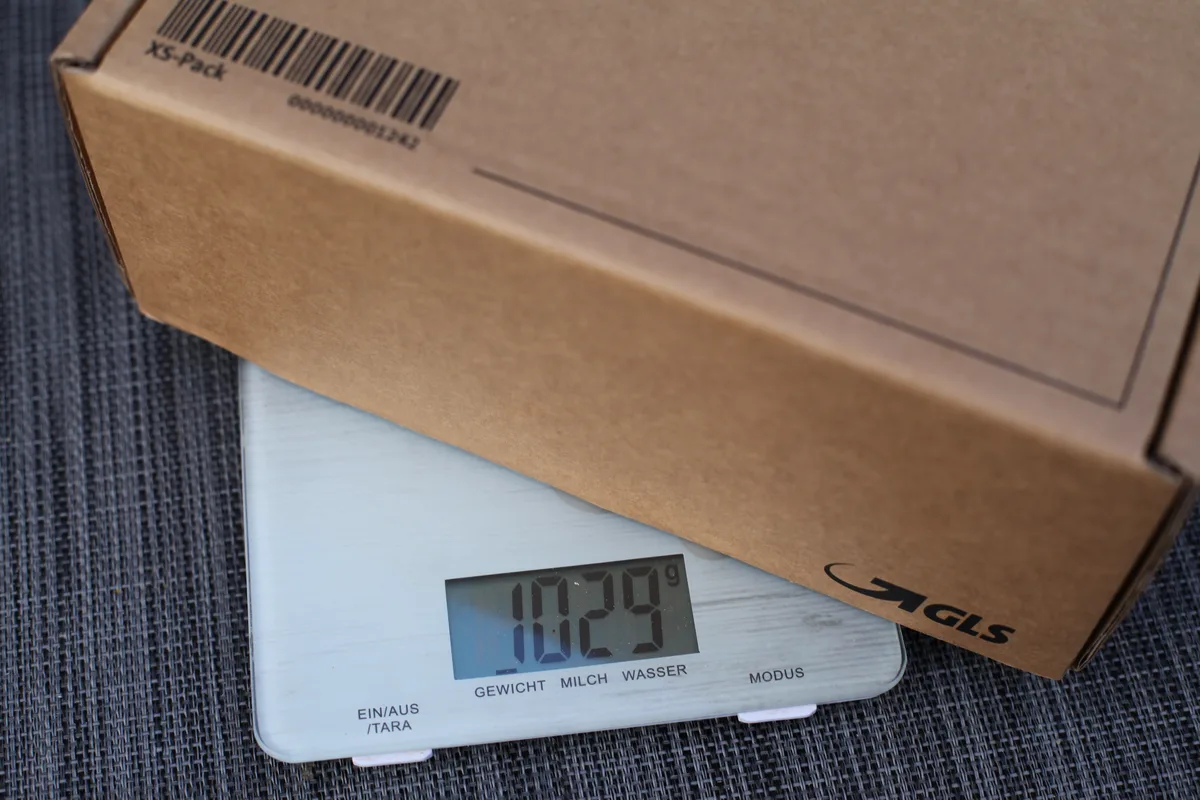
Photo: Measuring weight with a kitchen scale by Jeuwre, CC BY-SA 4.0 via Wikimedia Commons.
3. A zester for flavor you cannot get any other way
The Microplane Premium Classic Zester is a thin stainless steel blade with razor-sharp teeth. It turns lemon peel into fine zest, hard cheese into snow, and ginger, nutmeg, and garlic into paste — jobs a box grater does badly.
Zest is the reason to own one: the peel of a single lemon adds more flavor to a cake or a pan sauce than a spoonful of juice. A cover protects the teeth in the drawer. It holds a 4.8-star average across more than 49,000 Amazon ratings as of November 2026.
It costs about $19 as of November 2026. The downside: those teeth will grate a knuckle as easily as a lemon, and the blade clogs with soft cheese. Rinse it right after use.
4. A bench scraper for dough, chopping, and cleanup
The OXO Good Grips Multi-Purpose Scraper & Chopper is a flat stainless steel blade with a comfortable handle. Bakers use it to divide dough and lift it off the counter. Everyone else uses it to scoop chopped onions off the board, scrape flour into the trash, and level a cup of flour.
The blade carries 1-inch markings, so dividing dough into equal pieces becomes a measurement, not a guess. It is dishwasher safe, and it holds a 4.8-star average across more than 19,000 Amazon ratings as of November 2026. It also keeps your knife off the board for jobs that dull the edge. If you work with wood boards, read our guide to choosing the best wood for a cutting board.
It costs about $15 as of November 2026. The downside: a $9 metal scraper without the handle does most of the same jobs — you pay for the grip, the markings, and the dishwasher-safe build.
5. A silicone spatula for stirring, folding, and scraping bowls clean
The GIR Premium Silicone Spatula, Ultimate 11-inch is one piece of platinum-cured silicone from tip to handle, with no seam where food can hide. It stirs sauces without scratching nonstick pans, folds batter, and scrapes a bowl clean.
One-piece construction is the point: two-piece spatulas trap moisture where the head meets the handle. This one goes in the dishwasher and comes out clean. It costs about $16 as of November 2026.
The downside: $16 is a lot for a spatula, and the 11-inch size feels long in a small saucepan. A wooden spoon costs a third as much and stirs just as well — the silicone spatula earns its price on scraping and nonstick cookware.
What kitchen gadgets should you skip?
Skip these three categories.
- Single-use tools with a one-job blade. An avocado slicer, an egg separator, and a strawberry huller each do one thing your knife and hands already do — and they break first.
- Cheap electric gadgets with no spare parts. A $20 electric can opener saves thirty seconds and dies in a year. A manual tool that lasts a decade costs less over time.
- Anything that duplicates a tool you already own. A second peeler or a gadget version of your chef’s knife adds nothing. Spend the money on keeping the tools you have sharp instead — see our guide on how to sharpen a kitchen knife at home.
Useful kitchen gadgets at a glance
| Gadget | Job it does best | Price as of November 2026 | Watch out for |
|---|---|---|---|
| ThermoPro TP19H thermometer | Meat doneness | About $14 | Plastic body; not oven-safe |
| OXO 11-lb food scale | Baking by weight | About $55–$65 | Large; pricier than basic scales |
| Microplane Classic Zester | Zest and grating | About $19 | Sharp teeth; clogs on soft cheese |
| OXO bench scraper | Dough and cleanup | About $15 | Plain metal scraper costs less |
| GIR silicone spatula | Stirring and scraping | About $16 | Long for small pans |
The same rule applies to bigger tools — see our guide to the best stand mixer for small kitchens and our picks for the best blender for smoothies under $100.
FAQ
How many kitchen gadgets does a home cook actually need?
Fewer than most drawers hold. Five well-chosen tools — thermometer, scale, zester, bench scraper, spatula — cover the jobs that come up every week, and a good knife and cutting board cover the rest.
Are expensive kitchen gadgets worth it?
Sometimes, but price alone proves nothing. The OXO scale costs more because the pull-out display solves a real problem, while a $100 gadget that does one narrow job is rarely worth it. Judge a gadget by how often you will use it.
What is the most useful kitchen gadget for beginners?
An instant-read thermometer. It removes the guesswork from the riskiest part of cooking — knowing when meat is done — and it works on the first day you own it. Pair it with a dedicated board for raw meat — see our guide to the best cutting board for raw meat and poultry.
How do I keep kitchen gadgets from cluttering my drawers?
Keep only tools you used in the last month. Put the rest in a box, and if you do not open the box in three months, give those tools away. One drawer, one layer deep, beats a deep drawer of stacked gadgets.